In Their Care
It is a chilly 17-degree February day in Fairport, New York as Lollypop Farm Humane Society volunteers and employees get to work with the animals who are in their care.
Lina Strassburger, a kennel employee of almost two years at the humane society, does her daily tasks around the kennels including feedings, walks, and meeting appointments with the dogs. Strassburger’s love of animals brought her to the farm after knowing about it since she was a young girl. At 5 years old she came in with her family to adopt a cat from Lollypop and has had a passion for animals since.
Hoping to join the law enforcement side of the operation with animal control, Strassburger works to learn the ins and outs of the kennel operation inside the Farm to help her understand how best to work with these animals when they are received by law enforcement.
“It’s hard you know? Seeing some of these dogs come in so malnourished and just not taken care of, it definitely takes an emotional toll but you do what you can to help them. We’re very fortunate at Lollypop with our donors compared to other shelters but sometimes, no matter what you do, it’s just not enough.”
The hard work is a non-stop job for Lollypop’s employees. “Kennel craze can set in as early as one week,” Strassburger says. “Kennel craze” is a phrase used to describe a form of mental illness dogs can take on after being left in a kennel for too long, symptoms include excessive barking, spinning in circles, and pacing among other symptoms.
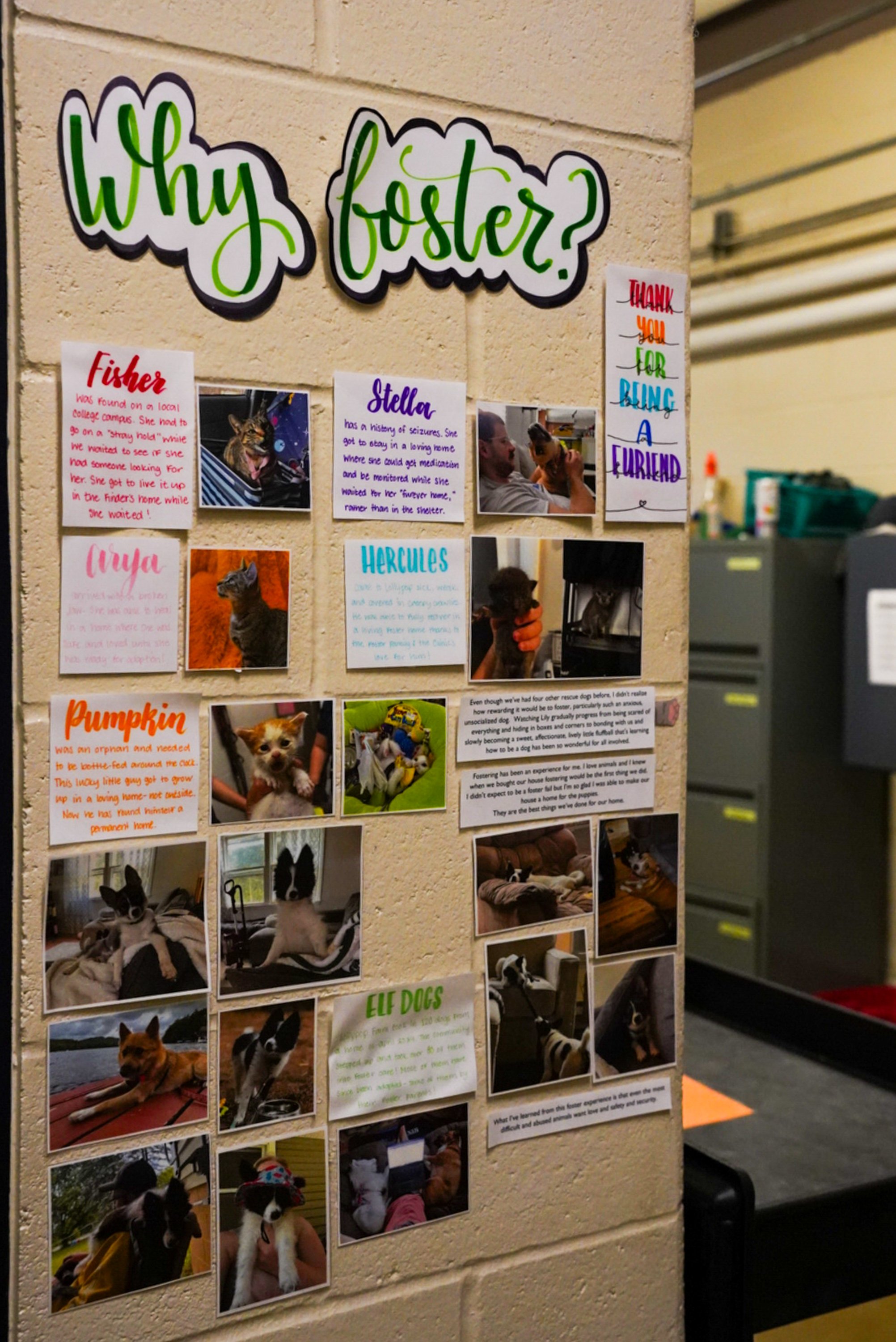
With the large number of animals in their care, Lollypop places an important emphasis on fostering animals out to ensure they have enough room to bring in new animals when necessary.
“We had a case of 150 dogs in a hoarding situation come to us, it was awful. 148 of the dogs have been adopted or fostered out and we only have two left now. It was hard but so rewarding to give them homes after what they had been through.”
Lollypop Farm is currently undergoing a 1 million dollar renovation to expand its buildings and give them the ability to house more animals when the time calls for it. “It’s a constant influx, sometimes we see cases like the hoarding situation that are especially bad, but we have new animals coming in all the time, you could say sometimes it feels non-stop.”
“I think they realize that after everything they’ve been through, that we are here to help them. When they start to open up and let you pet them or just be near them it’s just so nice,” says Michael about the rehabilitation of the animals at Lollypop Farm Humane Society.